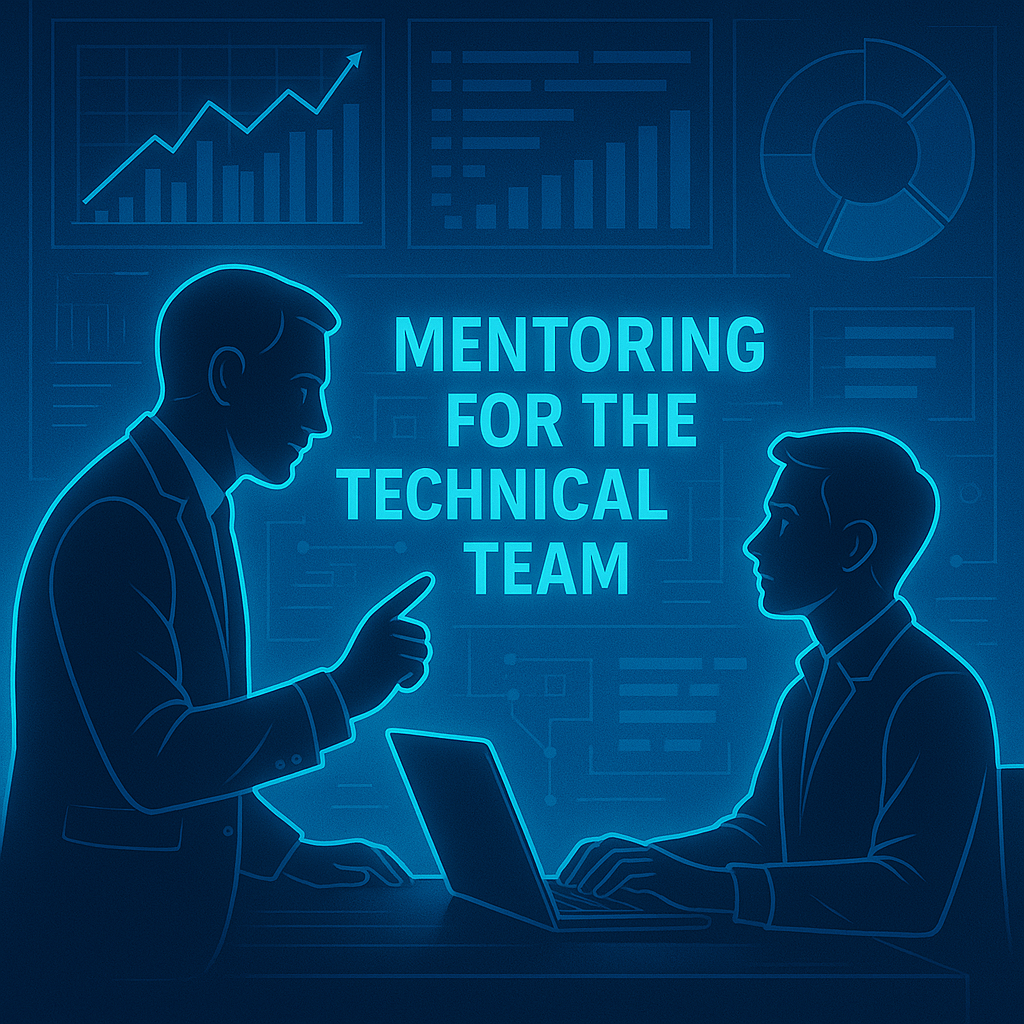
Target Mentees Graduate hires and early-career engineers/geoscientists (0–5 years) Professionals transitioning into subsurface roles (petrophysics, reservoir, integrated studies) Field or production staff needing stronger subsurface interpretation skills Scope of Mentoring Petrophysics (core capability building) Log QC and interpretation workflow: depth matching, environmental corrections, curve conditioning Lithology & shale evaluation; Vsh methods and assumptions Porosity (density/neutron/sonic), fluid typing, and saturation (Archie + shaly-sand models) Net pay definition: cutoffs, uncertainty, and sensitivity Core–log integration: routine/special core, calibration, and scaling issues Petrophysical uncertainty: ranges, error propagation, and defensible documentation Reservoir Engineering (core capability building) Material balance fundamentals and practical use cases Decline curve analysis (DCA): selection, parameterization, and pitfalls PVT fundamentals and integration into reservoir models Pressure transient analysis interpretation basics (as applicable) Volumetrics and reserves estimation; reconciliation with production data History matching logic (what to tune, what not to tune) and model validation Development concept support: well count, spacing, drainage, recovery mechanisms Integration (how subsurface work is actually done) Petrophysics-to-static model handoff (rock typing, properties modeling) Static-to-dynamic integration: what the simulator needs and why Uncertainty framing for decision-making (P10/P50/P90 logic) Technical storytelling: building clear, audit-ready narratives for stakeholders Delivery Model 1:1 Mentoring Sessions (typically weekly or bi-weekly, 60–90 minutes) Case-Based Learning using anonymized datasets or company-provided data (where permitted) Assignments & Feedback Loops (short tasks between sessions with review) Career Guidance (role expectations, technical maturity, communication, prioritization) Optional (to be priced according to the agreed scope): Group Mentoring cohorts (3–8 mentees) for structured learning paths Typical Mentoring Engagement Packages Onboarding Accelerator (4–6 weeks): fundamentals + workflow habits + quick wins Competency Builder (8–12 weeks): deeper technical practice + mini-project delivery Project Support Mentoring (6–10 weeks): mentor shadows a live study (without replacing accountable engineers) Key Deliverables Personalized competency baseline and development plan Curated learning roadmap (topics, sequence, practice sets) Reviewed work products (interpretation notes, calculations, plots, decision memo) “Ready-to-use” templates: log QC checklist, cutoff table, uncertainty tracker, DCA worksheet, volumetrics template End-of-program assessment and next-step recommendations Success Metrics (KPIs) Mentee can execute a complete interpretation workflow independently (with QA) Quality improvement in technical deliverables (clarity, consistency, error rate) Reduced cycle time to complete standard subsurface tasks Improved integration quality (petrophysics ↔ RE ↔ geomodel ↔ production) Positive feedback from line supervisors/project leads (where applicable) Tools & Data (examples) Petrophysics: Techlog, Interactive Petrophysics (IP), Geolog, Excel/Python workflows Reservoir: MBAL, OFM, Excel/Python, simulator literacy (ECLIPSE/INTERSECT/CMG as applicable) Standards: documentation discipline, QC checklists, version control practices (as appropriate) Professional Requirements (typical) Strong applied experience in petrophysics and reservoir engineering workflows Ability to teach, structure learning, and provide actionable feedback High integrity with data confidentiality and HSE/ethical standards Comfort working across disciplines and explaining concepts clearly Working Conditions Remote; optional on-site workshops Flexible scheduling aligned with the mentee's workload and time zone NDA compliance when using real data; anonymized case studies preferred