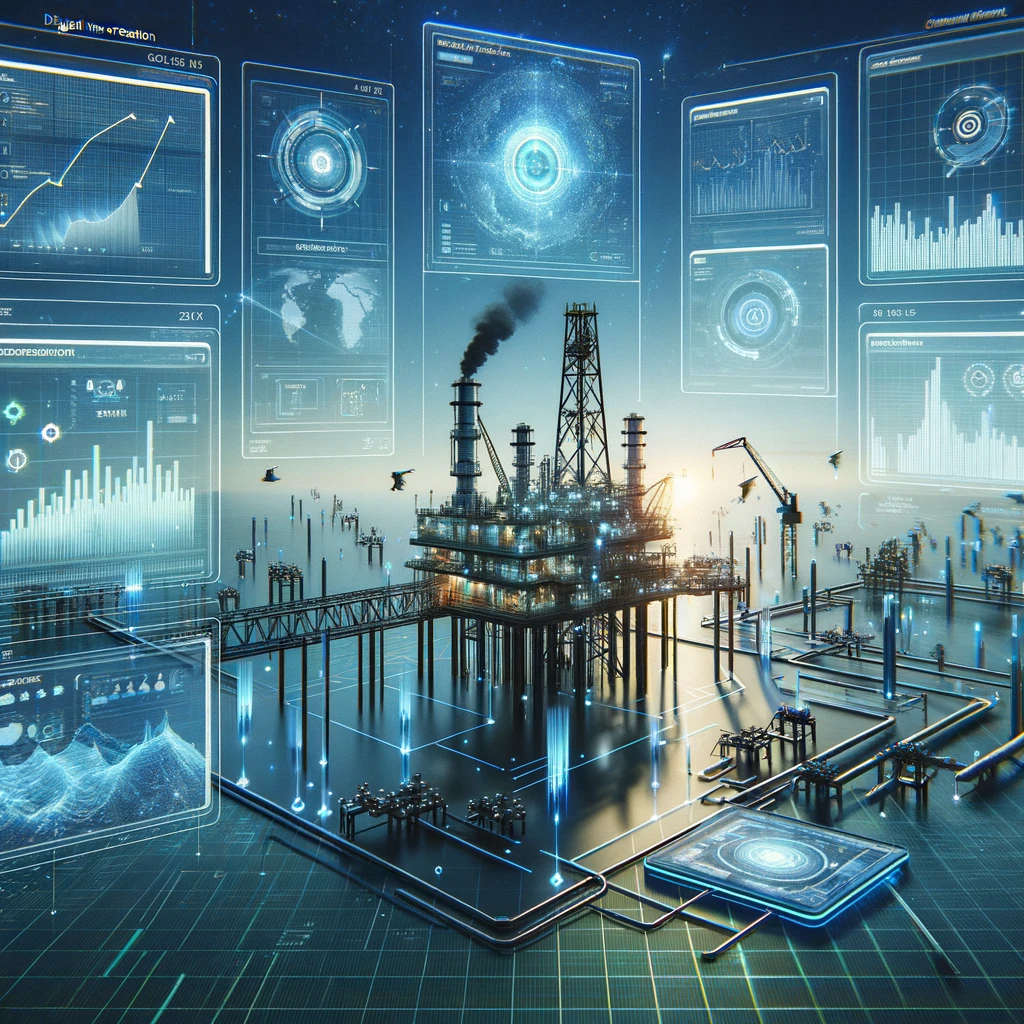
Problem Statement: In upstream oil and gas operations, a lack of real-time visibility into asset performance often leads to inefficiencies, increased operational risks, and unplanned downtime. Traditional monitoring methods are limited in their ability to predict failures or optimize performance, making it challenging to achieve safer and more efficient operations. Approach: This guideline offers a structured, end-to-end methodology for creating Digital Twins specifically designed for asset monitoring. It walks readers through every critical phase—from scoping and selecting the right assets to model, integrating IoT and historical data, building simulation and machine learning models, and deploying digital twins within existing operational technology (OT) environments like SCADA and DCS systems. The document emphasizes practical steps including: Data readiness and governance. Asset modeling techniques using physics-based and data-driven methods. Real-time connectivity and visualization layers. Predictive analytics and anomaly detection. Continuous improvement and scaling strategies. Expected Results: By applying this knowledge, organizations can expect measurable improvements in asset reliability, production optimization, and risk mitigation. The creation of Digital Twins will empower operations and maintenance teams to: Detect early signs of equipment degradation or failure. Optimize asset utilization and maintenance schedules. Enhance situational awareness through real-time insights and simulations. Reduce operational costs and improve production uptime. This guideline is crafted to help technical and managerial professionals in the oil and gas sector drive digital transformation and realize tangible business value through advanced asset monitoring.