Innovative Blade Design and Materials
One of the most significant advancements in windmill technology is the development of larger, more aerodynamically efficient blades made from advanced composite materials. These materials, such as carbon fiber, offer the dual benefits of strength and lightness, enabling the construction of longer blades that capture more wind without compromising on durability. This advancement not only increases the efficiency of wind turbines but also reduces their maintenance requirements, a crucial factor in the challenging offshore environment.
Floating Wind Farms
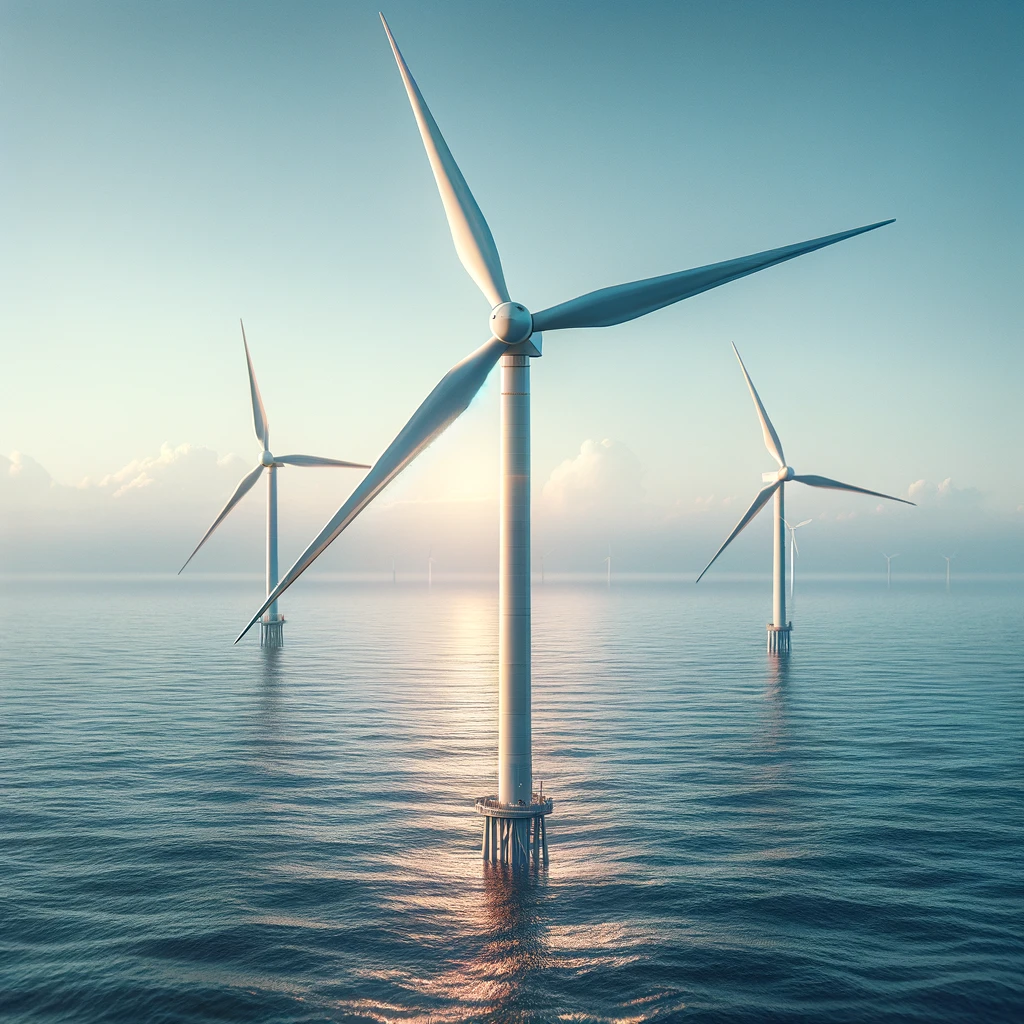
The advent of floating wind farms heralds a new era for offshore wind energy, particularly in deep-water regions where traditional fixed-bottom turbines are not feasible. Floating turbines can be anchored in deep waters, vastly expanding the potential sites for offshore wind farms. This technology not only increases the geographical flexibility of wind energy projects but also taps into stronger and more consistent wind speeds available further out at sea, significantly boosting energy production.
Digitalization and Smart Technology
Leveraging the power of digitalization, modern windmills incorporate smart technologies and IoT (Internet of Things) to enhance performance monitoring and predictive maintenance. Sensors collect data on various parameters, including wind speed, turbine performance, and wear and tear. This data is then analyzed in real-time to optimize the operation of each turbine and predict maintenance needs before failures occur, ensuring maximum efficiency and minimizing downtime.
Environmental and Economic Sustainability
The integration of these new technologies not only advances the operational efficiency of wind farms but also underscores the commitment to environmental and economic sustainability. By reducing the carbon footprint associated with energy production and lowering operational costs through improved efficiency and reduced maintenance, offshore wind farms are setting new standards in sustainable energy.
Conclusion
The future of windmill technology, particularly in offshore environments, is bright with the promise of innovation. From advanced materials and design to the deployment of floating wind farms and the integration of smart technologies, these advancements are paving the way for a more sustainable, efficient, and reliable energy future.
As we continue to explore and invest in these technologies, we not only contribute to the global transition towards renewable energy but also ensure that our energy solutions are in harmony with our environmental and economic goals. The journey towards sustainable energy is a collective endeavor, and the advancements in windmill technology are a testament to human ingenuity and our commitment to preserving the planet for future generations.