
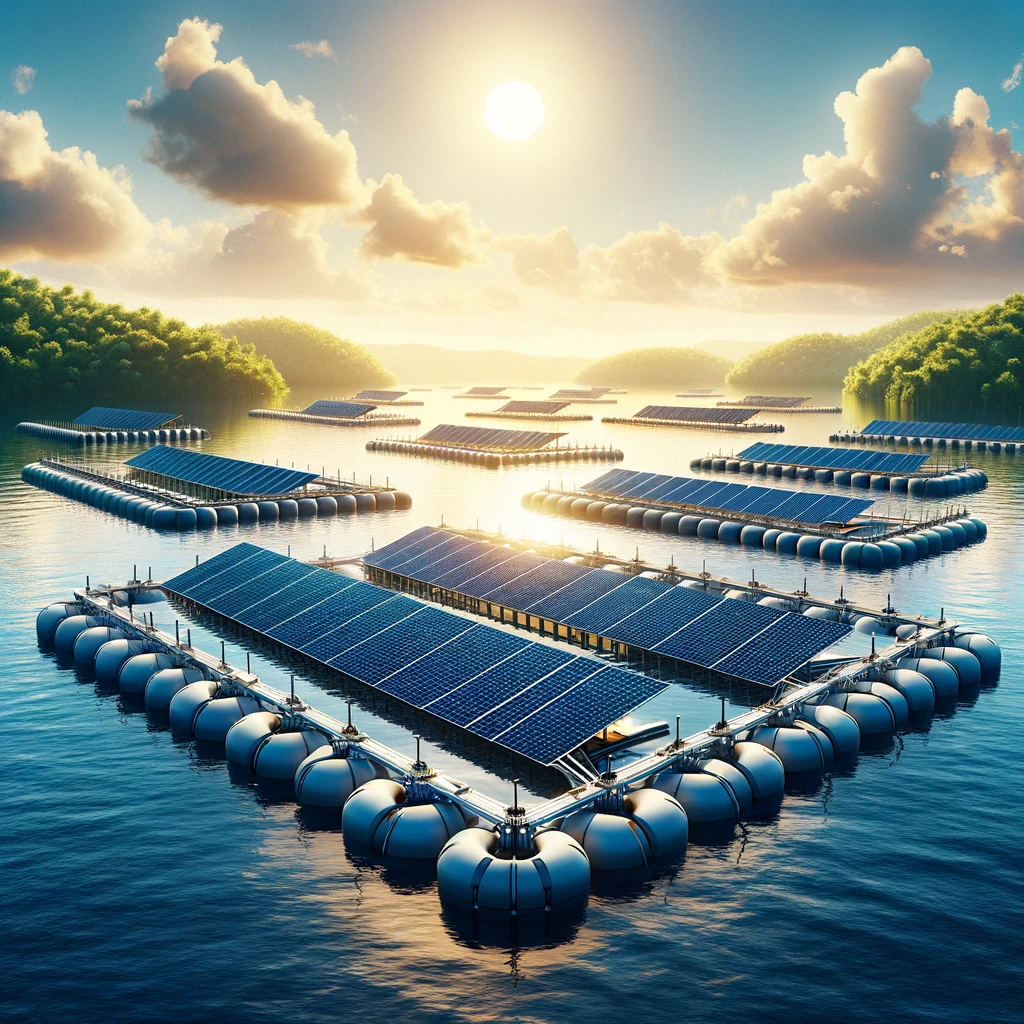
Harnessing Efficiency and Sustainability
Floating solar farms, or "floatovoltaics," utilize buoyant structures to support solar panels on bodies of water. This method addresses land scarcity while reducing water evaporation and improving panel efficiency. The cooling effect of water beneath the panels helps maintain optimal operating temperatures, thus increasing electricity generation compared to their land-based counterparts.Design Innovations
The evolution of floating solar panel design focuses on durability, efficiency, and environmental impact. Here are the main components and innovations in the design of floating solar farms:-
High-Durability Floats: Modern floating systems are designed with highly durable, UV-resistant materials that withstand harsh weather conditions and prolonged exposure to water. These materials ensure the longevity and reliability of floating solar farms.
-
Optimized Panel Configuration: Engineers are developing optimized configurations that maximize sun exposure and energy production. This includes adjustable tilting mechanisms that follow the sun’s path, enhancing energy capture efficiency.
-
Eco-Friendly Materials: There is a growing emphasis on using eco-friendly and recyclable materials for floats and anchoring systems. These materials minimize the environmental footprint of floating solar farms and ensure they can be recycled at the end of their lifespan.
-
Advanced Mooring Systems: Innovations in mooring systems allow for stable and secure anchorage of floating solar panels, even in dynamic aquatic environments. These systems are designed to be adaptable to different water depths and bottom profiles, ensuring the stability of the structure.
-
Hybrid Systems Integration: The integration of floating solar farms with other renewable energy sources, such as hydroelectric power plants, creates hybrid systems that optimize energy production and reduce dependency on fossil fuels.
Environmental Considerations
While floating solar farms offer numerous benefits, carefully considering environmental impacts is crucial. Studies are underway to assess their effect on aquatic ecosystems, including water temperature and underwater life. Ensuring minimal disruption to these ecosystems is a key focus of ongoing research and development efforts.The Future of Floatovoltaics
The future of floating solar technology looks promising, with ongoing advancements to improve efficiency, reduce costs, and mitigate environmental impacts. As this technology matures, it is poised to play a pivotal role in the global transition towards sustainable energy sources. In conclusion, the design of solar panels for floating on lake structures is at the forefront of innovation in the renewable energy sector. With continuous advancements, floating solar farms are set to become a more prevalent and efficient source of clean energy. As we move forward, integrating these systems into our energy mix represents a significant step towards achieving a sustainable and environmentally friendly energy future.More insights
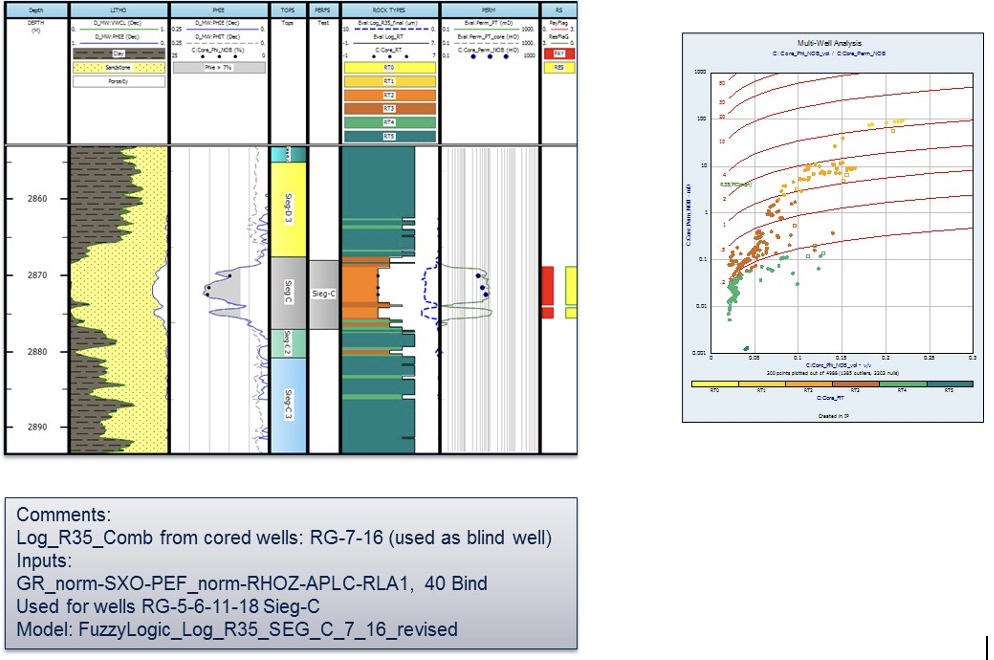
PETROPHYSICS EVALUATION: PERMEABILITY AND PORE THROAT ESTIMATION USING FUZZY LOGIC
The petrophysical evaluation has been conducted to evaluate the Devonian tin sandstone low porosity reservoir through the Fuzzy Logic technique. When Fuzzy Logic is applied to petrophysical interpretation, it accepts that any interpretation is possible, although some are more likely than others. The
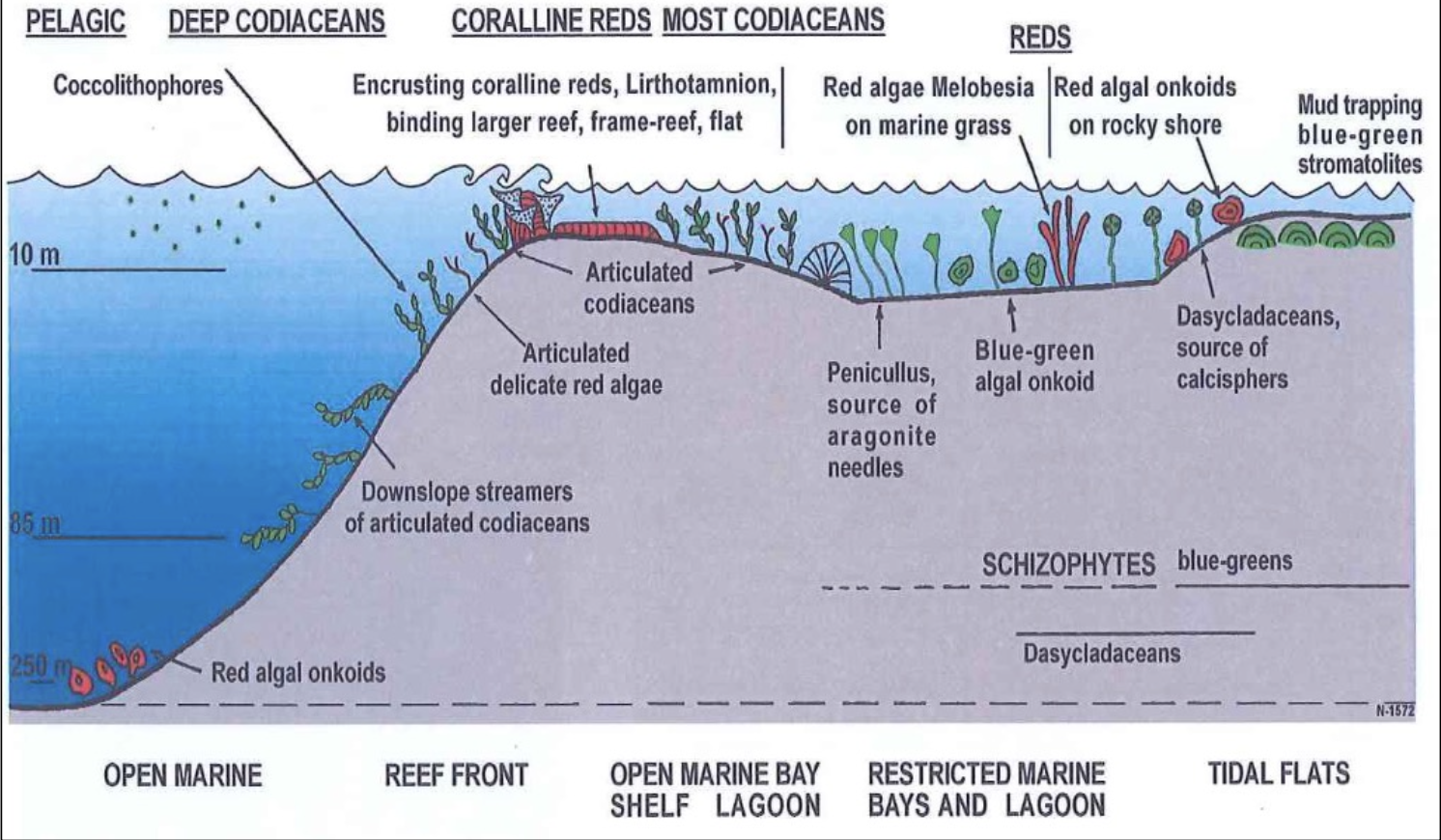
Carbonate Types
Definition: Most carbonates develop from biogenic sediments formed by biological activity, such as reef building and the accumulation of remains of organisms on the seafloor. Carbonate sediments are commonly produced in shallow, warm oceans either by direct precipitation out of seawater or by biolog

Dolomites, Dolomitization
Dolomite is one of the most abundant sedimentary carbonate minerals. For a wide range of temperatures (from 500 o C to 1100 o C). The stable calcite becomes progressively enriched in magnesium (dolomite) with increasing temperature. (Morse1990). The important fabric elements to recognize for petroph