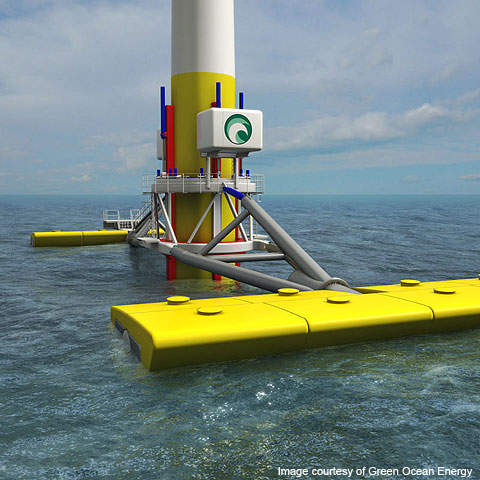
Wave Energy Converters (WECs)
At the heart of wave energy innovations are Wave Energy Converters (WECs), designed to transform the energy of ocean waves into electricity. WECs come in various forms, each tailored to specific wave conditions and deployment environments. The main types include point absorbers, attenuators, oscillating water columns, and overtopping devices.
- Point Absorbers: These buoy-like structures float on the surface, moving with the waves. The relative motion between the buoy and its mooring converts to electricity.
- Attenuators: Long, multi-segmented floating structures oriented parallel to wave direction. As waves pass, the differential motion between segments drives hydraulic pumps to generate power.
- Oscillating Water Columns (OWC): These shore-based or floating structures capture air within a chamber. Waves force the air to move, driving a turbine connected to a generator.
- Overtopping Devices: They capture water from incoming waves in a reservoir. The potential energy from the height difference as water flows back to the ocean drives turbines.
Innovations in Design and Technology
Recent innovations focus on increasing efficiency, durability, and energy conversion rates, while reducing environmental impacts and costs.
Hybrid Systems: Combining different types of WECs to harness wave energy across a broader range of conditions. For instance, integrating point absorbers with oscillating water columns to capture both the vertical and horizontal motion of waves.
Advanced Materials and Manufacturing: The use of composite materials and novel manufacturing techniques to create WECs that are more resilient to harsh ocean conditions, lighter, and cost-effective.
Smart Control Systems: Implementing AI and machine learning for real-time adjustments to WECs' configurations, optimizing energy capture in varying sea states.
Environmental Integration: Designs that minimize ecological footprints, such as incorporating artificial reefs into WEC structures to support marine biodiversity.
Grid Integration and Energy Storage: Solutions for integrating wave energy into the existing power grid with minimal disruption, alongside innovative energy storage systems to address the intermittent nature of wave power.
Challenges and Future Directions
Despite these advancements, wave energy faces challenges related to cost competitiveness, scalability, and environmental impacts. Future research and development will likely focus on overcoming these hurdles, with an emphasis on multi-disciplinary approaches that combine engineering, environmental science, and economics.
Conclusion
Wave energy stands at the forefront of renewable energy innovation, with the potential to make a significant contribution to our energy needs. Through continuous research and technological advancements, wave energy can become a more viable and environmentally friendly alternative to traditional energy sources.
More insights
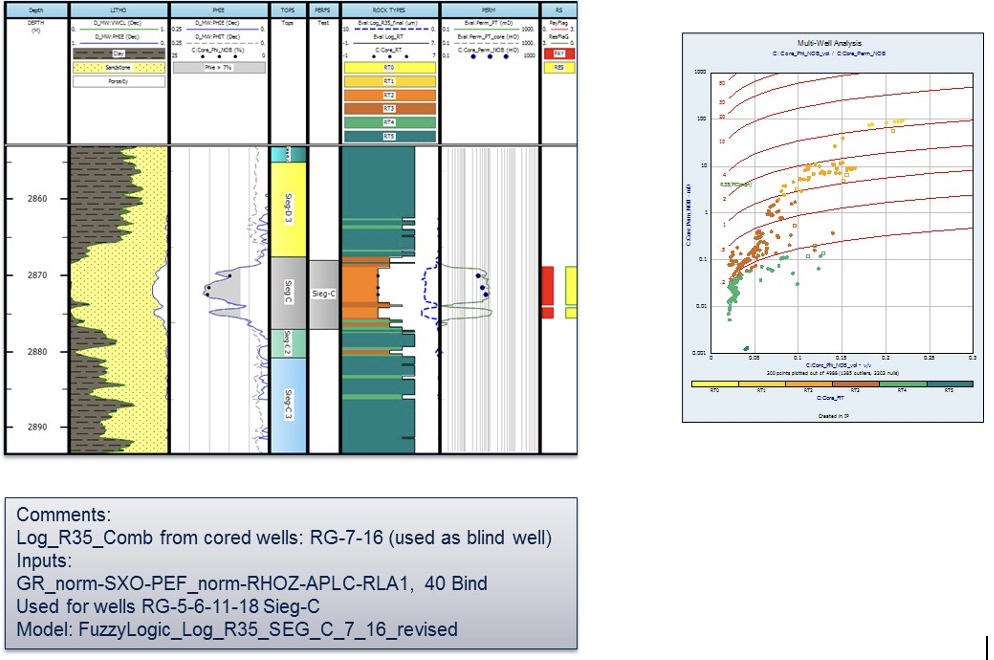
PETROPHYSICS EVALUATION: PERMEABILITY AND PORE THROAT ESTIMATION USING FUZZY LOGIC
The petrophysical evaluation has been conducted to evaluate the Devonian tin sandstone low porosity reservoir through the Fuzzy Logic technique. When Fuzzy Logic is applied to petrophysical interpretation, it accepts that any interpretation is possible, although some are more likely than others. The
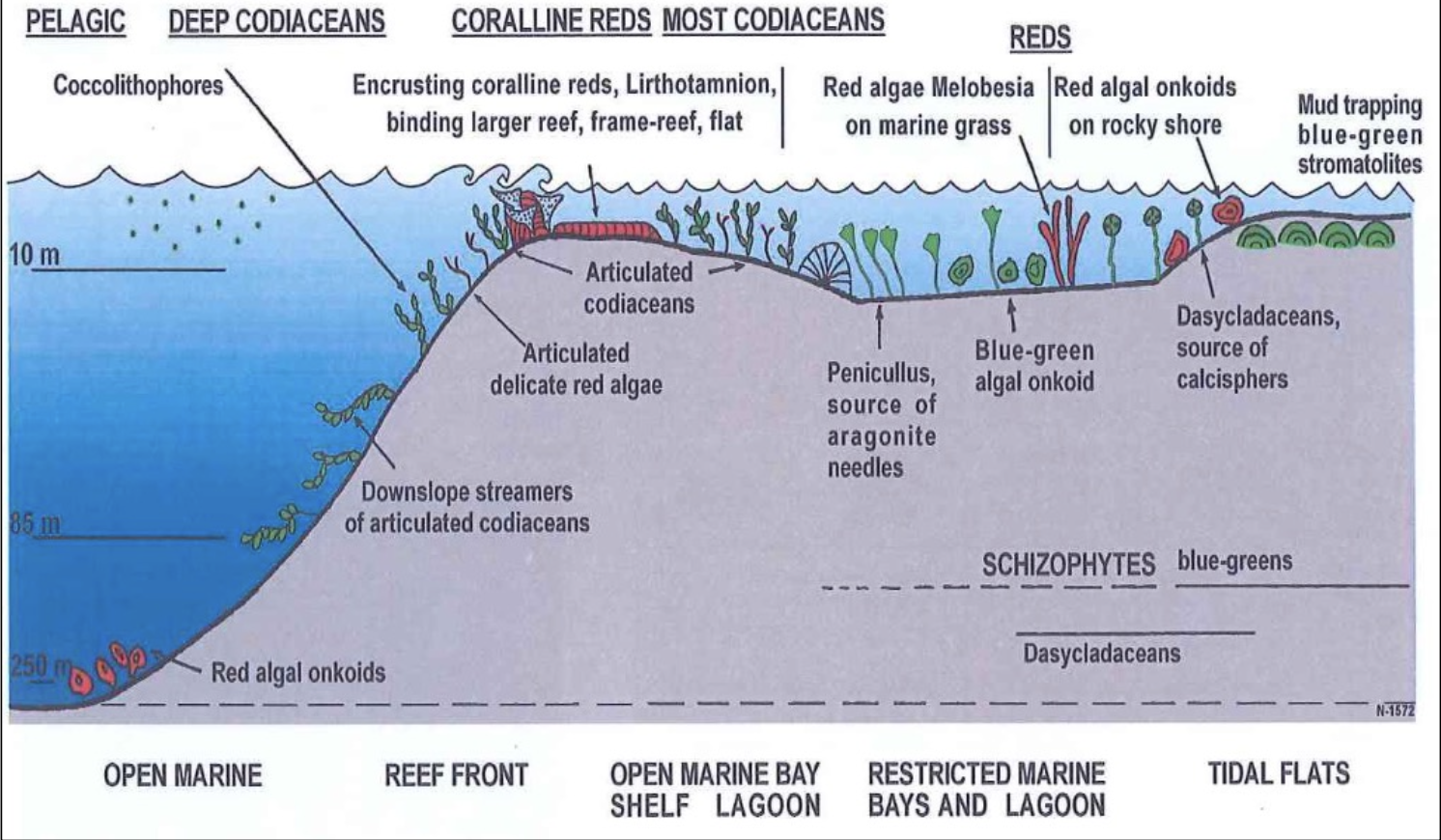
Carbonate Types
Definition: Most carbonates develop from biogenic sediments formed by biological activity, such as reef building and the accumulation of remains of organisms on the seafloor. Carbonate sediments are commonly produced in shallow, warm oceans either by direct precipitation out of seawater or by biolog
Dolomites, Dolomitization
Dolomite is one of the most abundant sedimentary carbonate minerals. For a wide range of temperatures (from 500 o C to 1100 o C). The stable calcite becomes progressively enriched in magnesium (dolomite) with increasing temperature. (Morse1990). The important fabric elements to recognize for petroph