
The importance of geothermal energy in the transition to a sustainable energy future
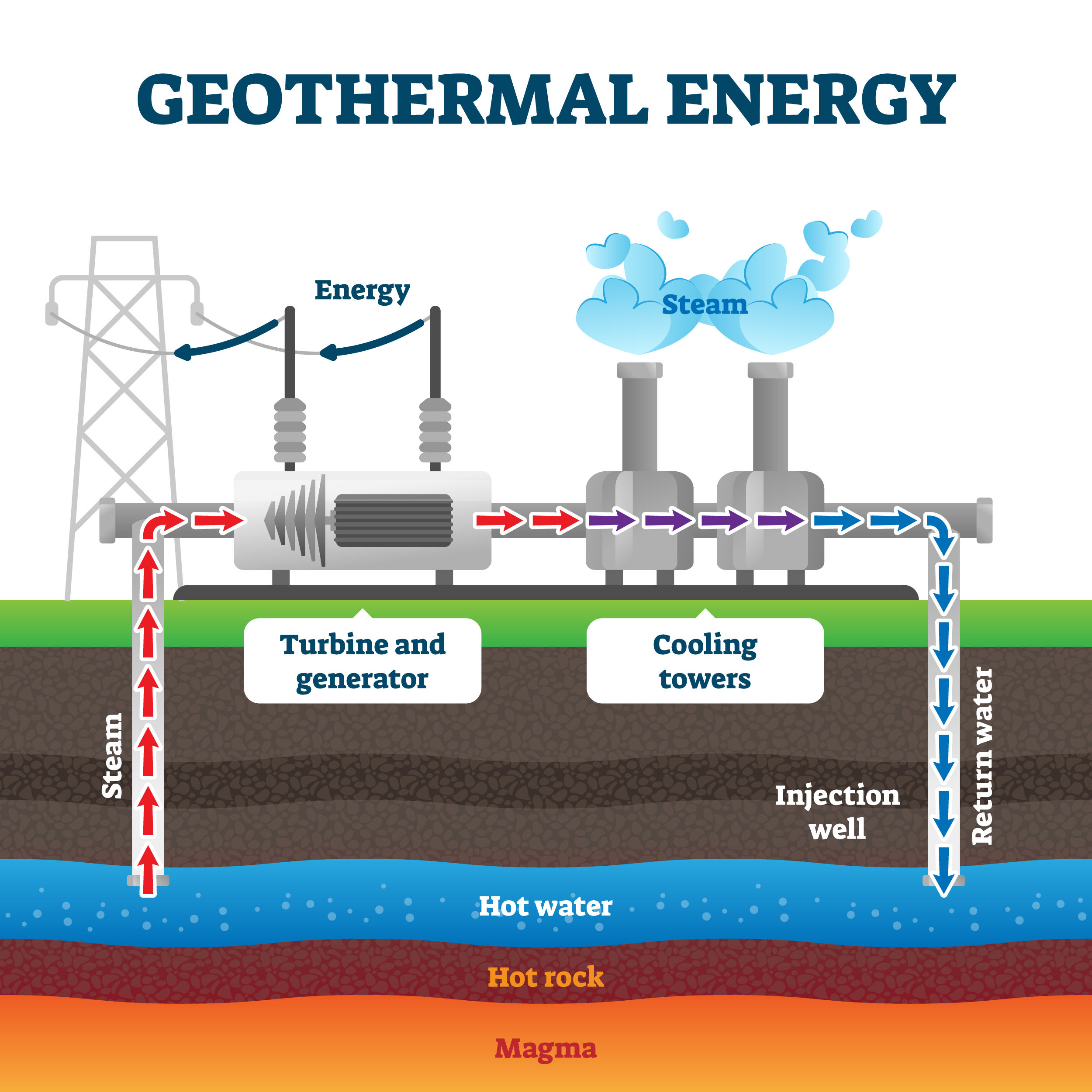
Reliability of Geothermal Energy:
Geothermal energy provides a steady and reliable source of electricity. Unlike solar and wind resources, which are subject to weather conditions and day-night cycles, geothermal energy is available 24/7, regardless of external climatic factors. This reliability makes it an indispensable component of a balanced renewable energy portfolio.
Sustainability and Environmental Impact:
Geothermal power plants have a relatively small footprint, minimizing their environmental impact compared to fossil fuel plants. The process of harnessing geothermal energy involves circulating water through hot rock formations deep underground to produce steam, which then drives turbines to generate electricity. The closed-loop system ensures that the water is re-injected back into the earth, making it a sustainable cycle. Moreover, geothermal energy emits a fraction of the carbon dioxide compared to conventional fossil fuels, aiding in reducing greenhouse gas emissions.
Innovation and Technological Advancement:
The field of geothermal energy is ripe for innovation, particularly in enhancing the efficiency of heat exchange systems and expanding the range of geothermal applications. Advancement in drilling technologies and the development of Enhanced Geothermal Systems (EGS) can unlock new geothermal resources. EGS allows for the expansion of geothermal energy to regions without natural hydrothermal resources by artificially creating reservoirs in hot rock formations.
Economic Benefits and Job Creation:
Investing in geothermal energy contributes to economic development through job creation in constructing, operating, and maintaining geothermal plants. It also provides a stable source of income for communities through the sale of electricity and local development.
Conclusion:
The transition to a sustainable energy future is a matter of reducing carbon emissions and ensuring a stable and reliable energy supply. Geothermal energy, with its inherent reliability, minimal environmental footprint, and potential for technological advancement, is a cornerstone of this transition. As nations strive to meet their renewable energy targets and reduce their carbon footprint, geothermal energy is poised to play an increasingly important role in the global energy landscape.
More insights
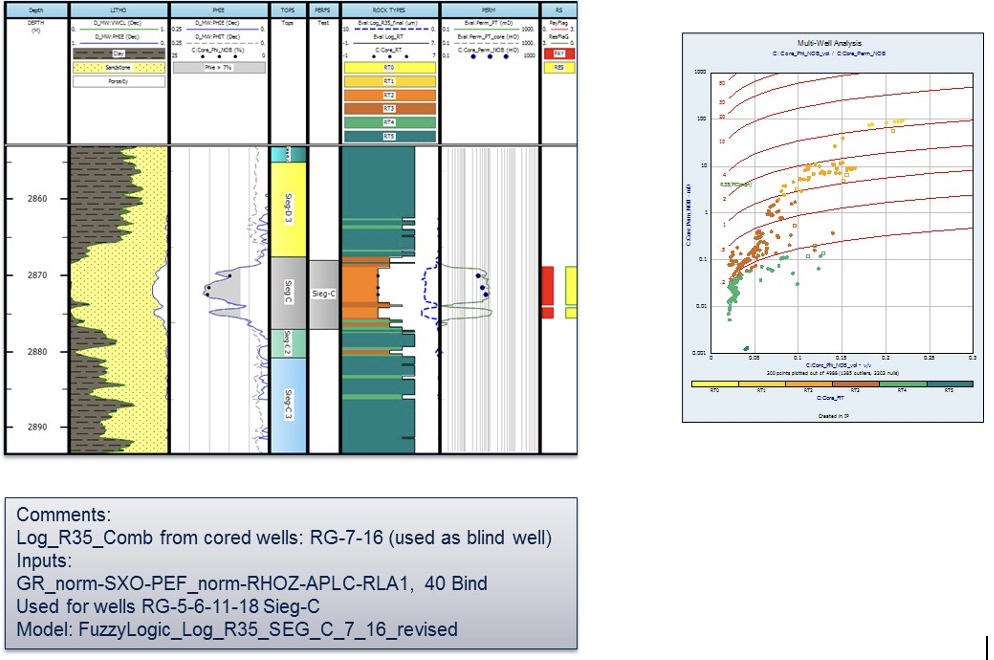
PETROPHYSICS EVALUATION: PERMEABILITY AND PORE THROAT ESTIMATION USING FUZZY LOGIC
The petrophysical evaluation has been conducted to evaluate the Devonian tin sandstone low porosity reservoir through the Fuzzy Logic technique. When Fuzzy Logic is applied to petrophysical interpretation, it accepts that any interpretation is possible, although some are more likely than others. The
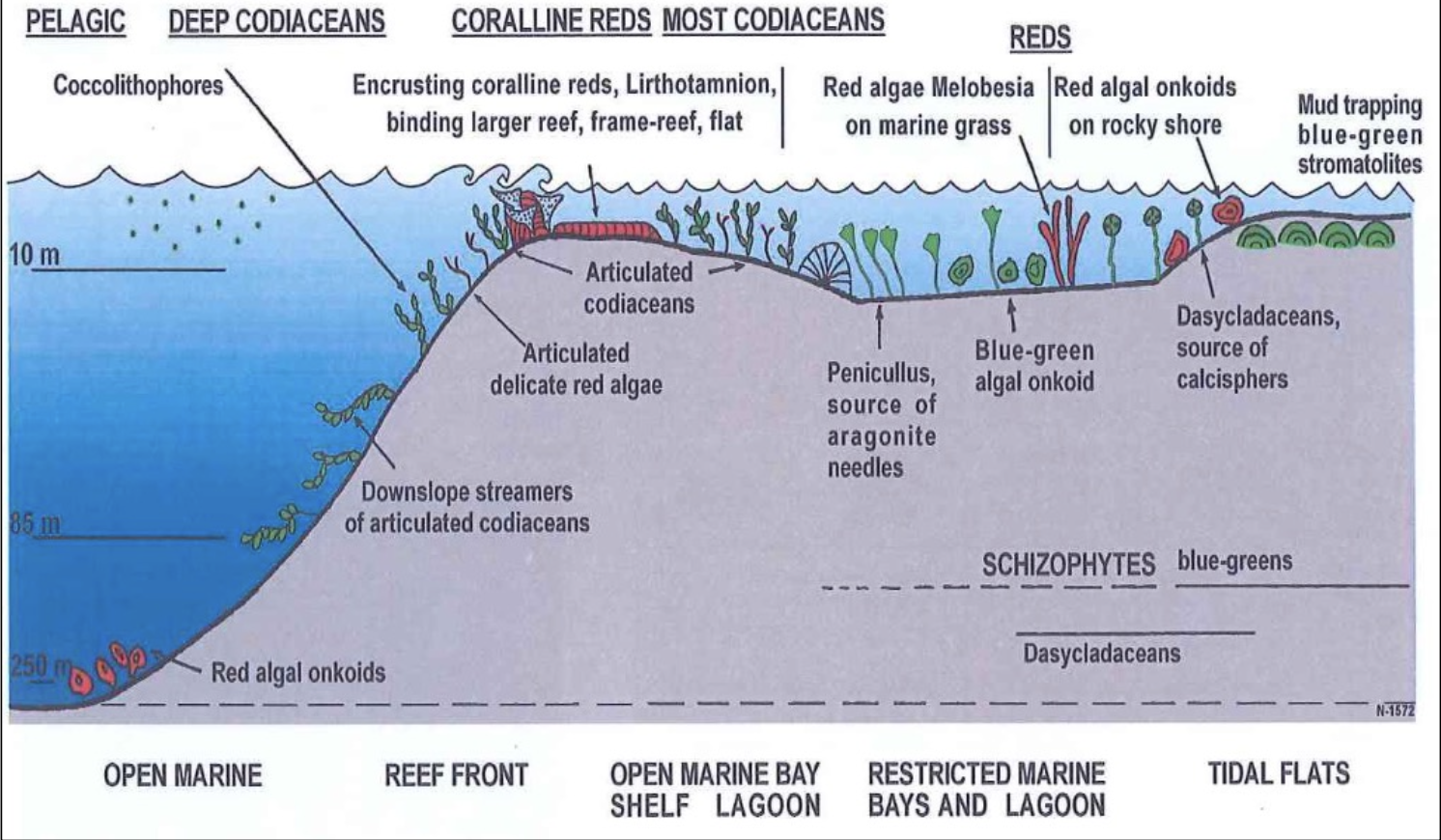
Carbonate Types
Definition: Most carbonates develop from biogenic sediments formed by biological activity, such as reef building and the accumulation of remains of organisms on the seafloor. Carbonate sediments are commonly produced in shallow, warm oceans either by direct precipitation out of seawater or by biolog

Dolomites, Dolomitization
Dolomite is one of the most abundant sedimentary carbonate minerals. For a wide range of temperatures (from 500 o C to 1100 o C). The stable calcite becomes progressively enriched in magnesium (dolomite) with increasing temperature. (Morse1990). The important fabric elements to recognize for petroph