

Flexibility and Agility
One of the most compelling reasons companies hire freelancers is the flexibility they offer. Unlike permanent employees, freelancers can be engaged on a project-by-project basis, allowing companies to adapt quickly to changing business demands. This agility is particularly valuable in industries where workload can fluctuate significantly. For instance, during peak seasons or when undertaking short-term projects, companies can bring in freelancers to handle the increased workload without the long-term commitment of a full-time hire.
Cost-Effectiveness
Hiring freelancers can be more cost-effective than employing full-time staff. Freelancers typically work remotely and do not require the company to provide office space, equipment, or benefits such as health insurance and retirement plans. This reduction in overhead costs makes freelancers an attractive option for companies looking to manage their budgets more effectively. Additionally, freelancers are often paid per project or per hour, which allows companies to control expenses and allocate resources more efficiently.
Access to Specialized Skills
Freelancers often bring a high level of expertise and specialized skills that may not be available within the company's existing workforce. This is especially important in fields like technology, digital marketing, and creative industries, where staying current with the latest trends and technologies is crucial. By hiring freelancers, companies can access top-tier talent with the specific skills needed for particular projects. This ability to tap into a global talent pool ensures that companies can find the right experts to meet their needs, regardless of geographical location.
Driving Innovation
Freelancers can be a significant source of innovation for companies. With experience working across various industries and projects, freelancers bring fresh perspectives and creative solutions. Their diverse backgrounds enable them to challenge conventional thinking and introduce new ideas that can drive business growth. Companies benefit from this influx of innovative thinking, which can lead to improved processes, products, and services.
Scalability
Scalability is another critical factor driving companies to hire freelancers. Businesses, particularly startups and small to medium enterprises (SMEs), often need to scale their operations rapidly to seize market opportunities. Freelancers provide a scalable workforce that can be expanded or contracted as needed. This scalability allows companies to respond to market changes and project demands swiftly, without the time-consuming process of hiring and onboarding full-time employees.
Focus on Core Business Functions
By outsourcing non-core functions to freelancers, companies can focus more on their core business activities. This strategic allocation of resources ensures that the in-house team can concentrate on areas critical to the company's success, such as strategic planning, business development, and customer relations. Freelancers can handle specialized tasks like graphic design, content creation, or IT support, which may not require the full-time attention of an internal team member.
Reduced Risk
Hiring freelancers can also reduce the risk associated with employment. In uncertain economic times, committing to full-time hires can be risky if business conditions change unexpectedly. Freelancers provide a flexible alternative that allows companies to mitigate this risk. If a project is discontinued or scaled down, the company can simply end the freelancer's contract without the complications associated with layoffs or severance packages.
Conclusion
The decision to hire freelancers is driven by several strategic advantages that align with modern business needs. Flexibility, cost-effectiveness, access to specialized skills, innovation, scalability, and the ability to focus on core functions all contribute to the growing trend of freelance engagement. As the business landscape continues to evolve, the role of freelancers is likely to become even more integral to companies striving to maintain a competitive edge and achieve sustainable growth.
More insights
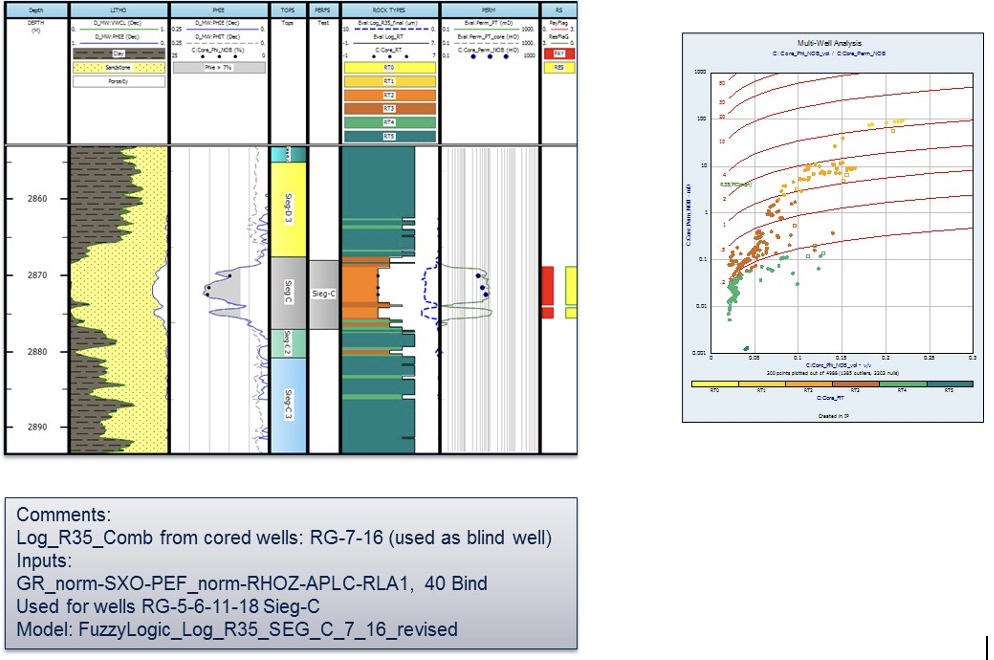
PETROPHYSICS EVALUATION: PERMEABILITY AND PORE THROAT ESTIMATION USING FUZZY LOGIC
The petrophysical evaluation has been conducted to evaluate the Devonian tin sandstone low porosity reservoir through the Fuzzy Logic technique. When Fuzzy Logic is applied to petrophysical interpretation, it accepts that any interpretation is possible, although some are more likely than others. The
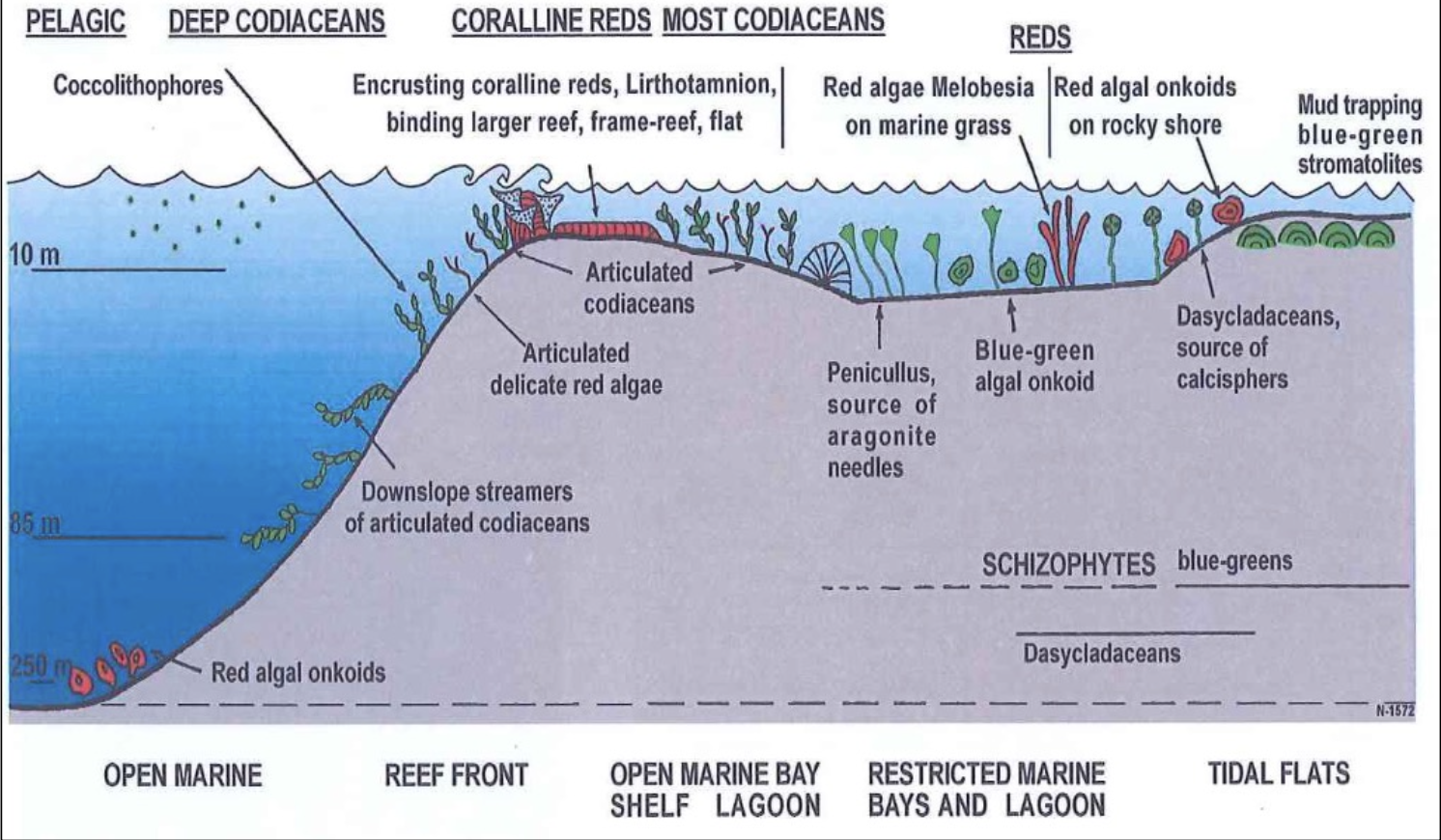
Carbonate Types
Definition: Most carbonates develop from biogenic sediments formed by biological activity, such as reef building and the accumulation of remains of organisms on the seafloor. Carbonate sediments are commonly produced in shallow, warm oceans either by direct precipitation out of seawater or by biolog

Dolomites, Dolomitization
Dolomite is one of the most abundant sedimentary carbonate minerals. For a wide range of temperatures (from 500 o C to 1100 o C). The stable calcite becomes progressively enriched in magnesium (dolomite) with increasing temperature. (Morse1990). The important fabric elements to recognize for petroph